Chemical Etching Nameplates: When Important Information Needs to Last
Some nameplates need to do more than identify a product. Serial numbers, safety warnings, operating instructions, and equipment ratings often need to remain readable for years.
When nameplates face abrasion, chemicals, cleaning, or harsh operating conditions, chemical etching can provide a durable solution.
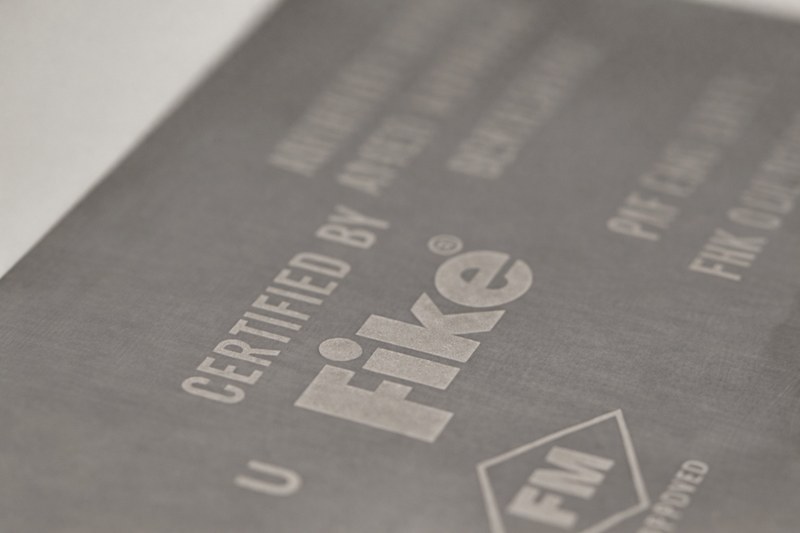
Metallics manufactures custom chemically etched metal nameplates designed for long-term identification, precise detail, and demanding industrial applications.
How Chemical Etching Works
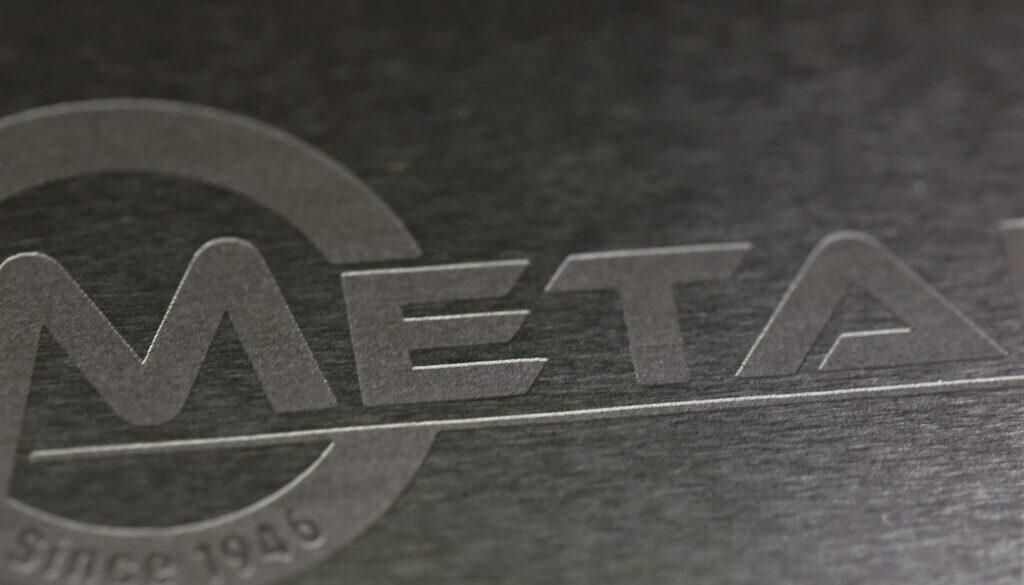
Chemical etching uses a controlled chemical process to remove selected areas of a metal surface. A protective mask defines the artwork, allowing exposed areas to be etched to a specified depth.
The process creates recessed markings directly in the metal rather than relying solely on surface-applied graphics.
Because chemical etching does not use mechanical force to create the marking, it avoids the burrs and material distortion associated with some mechanical marking methods.
This makes it a valuable option for detailed designs requiring accuracy and consistency.
When Long-Term Readability Matters
Chemical etching is particularly useful when nameplates carry information needed throughout the product’s service life.
Common applications include:
- Equipment identification and rating plates
- Serial numbers and asset tags
- Safety warnings and operating instructions
- Control panel identification
- Product branding and detailed logos
Recessed markings help protect information from surface abrasion and handling. This can reduce the risk of unreadable identification and related maintenance or warranty problems.
Material Selection for Demanding Environments
Chemical etching can be used on metals such as stainless steel, aluminum, brass, and other suitable alloys.
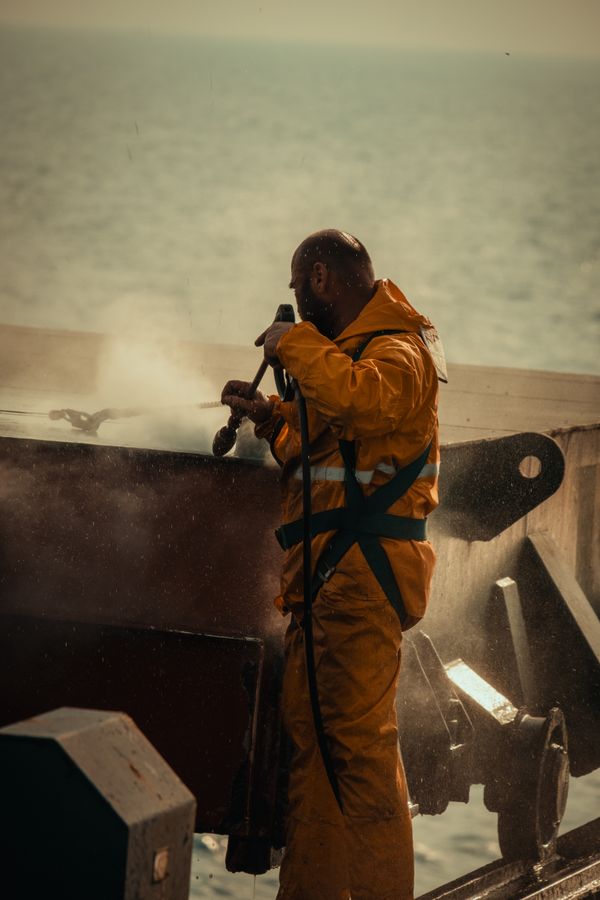
Material selection remains important. Moisture, salt, cleaning chemicals, temperature changes, and abrasion can all affect nameplate performance.
For example, stainless steel may be preferred for equipment exposed to corrosive environments, while aluminum may offer advantages when weight and appearance matter.
Metallics can help customers evaluate the metal, etched finish, and operating conditions to identify an appropriate construction.
Precision and Design Flexibility
Some nameplates require more than basic lettering. Fine text, detailed logos, diagrams, scales, and complex graphics can demand precise reproduction.
Chemical etching produces sharp, consistent markings without placing mechanical stress on the metal.
Metallics can incorporate custom artwork, detailed identification, and etched graphics into nameplates designed around the customer’s application.
Etched areas can also receive color filling to improve contrast and readability or remain unfilled for a clean industrial appearance.
Custom Manufacturing and Mounting Options
A durable marking is only part of a successful nameplate design. Shape, size, mounting method, and installation requirements also affect performance.
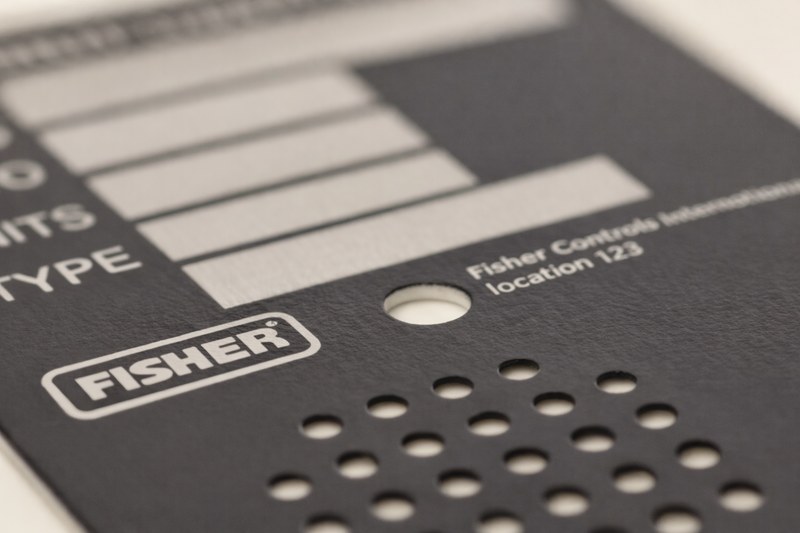
Metallics combines chemical etching with custom metal fabrication to produce nameplates with mounting holes, slots, and other required features.
As a 3M converter, we also offer a broad selection of engineered adhesive tapes, thin bonding materials, and foam adhesives for applications where adhesive-backed mounting is appropriate.
These capabilities allow us to provide custom nameplates ready for installation while helping customers reduce additional assembly steps.
Choose the Right Nameplate Process
Printing, anodizing, and chemical etching each offer advantages depending on the material, appearance, and performance requirements.
Chemical etching is especially valuable when the application calls for recessed markings, fine detail, and long-term readability.
Metallics can review your nameplate design, material requirements, environmental exposure, and mounting needs to determine whether chemical etching is the right solution. Contact us to discuss custom etched nameplates for your application.